CHAPTER 1
Carpool
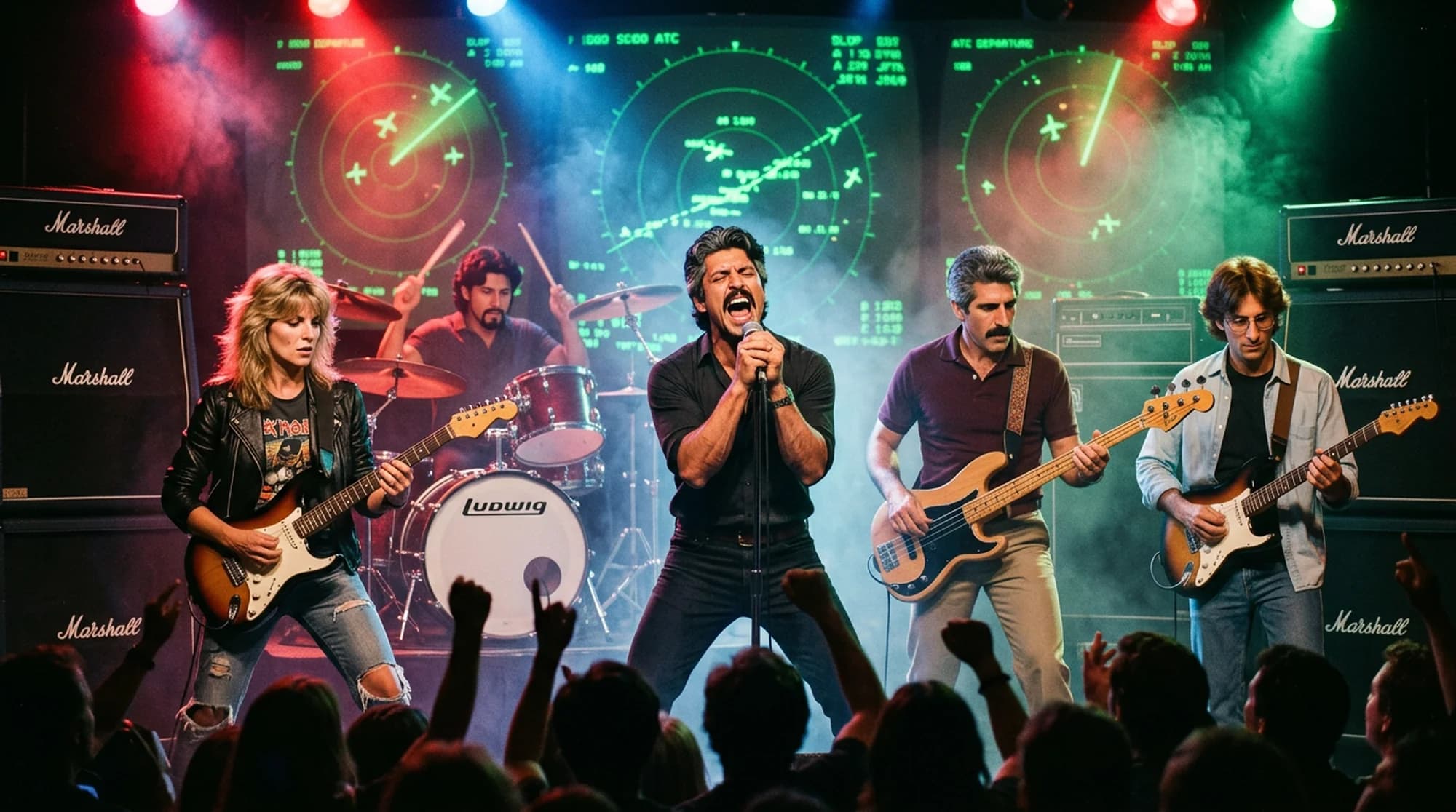
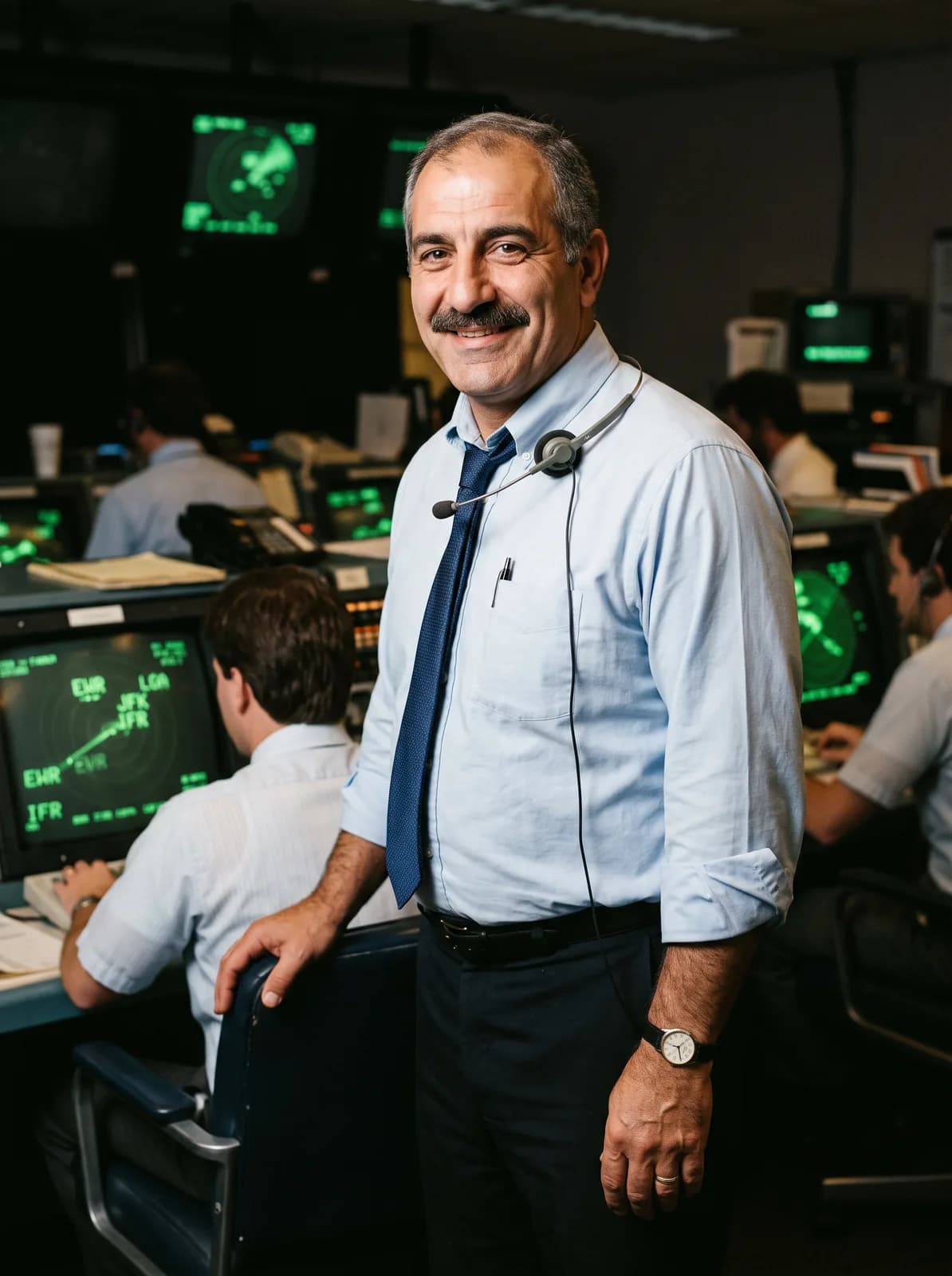
Frank DeLuca and Sal Mucci had been carpooling from Astoria to Westbury for three years before either mentioned he played an instrument. It came up in December 1982, stuck on the Long Island Expressway — Frank casually mentioned he had been in a doo-wop group in high school; Sal said he had been picking at his brother's Les Paul since he was twelve. By the time they exited at Meadowbrook Parkway, they had agreed to try a band.
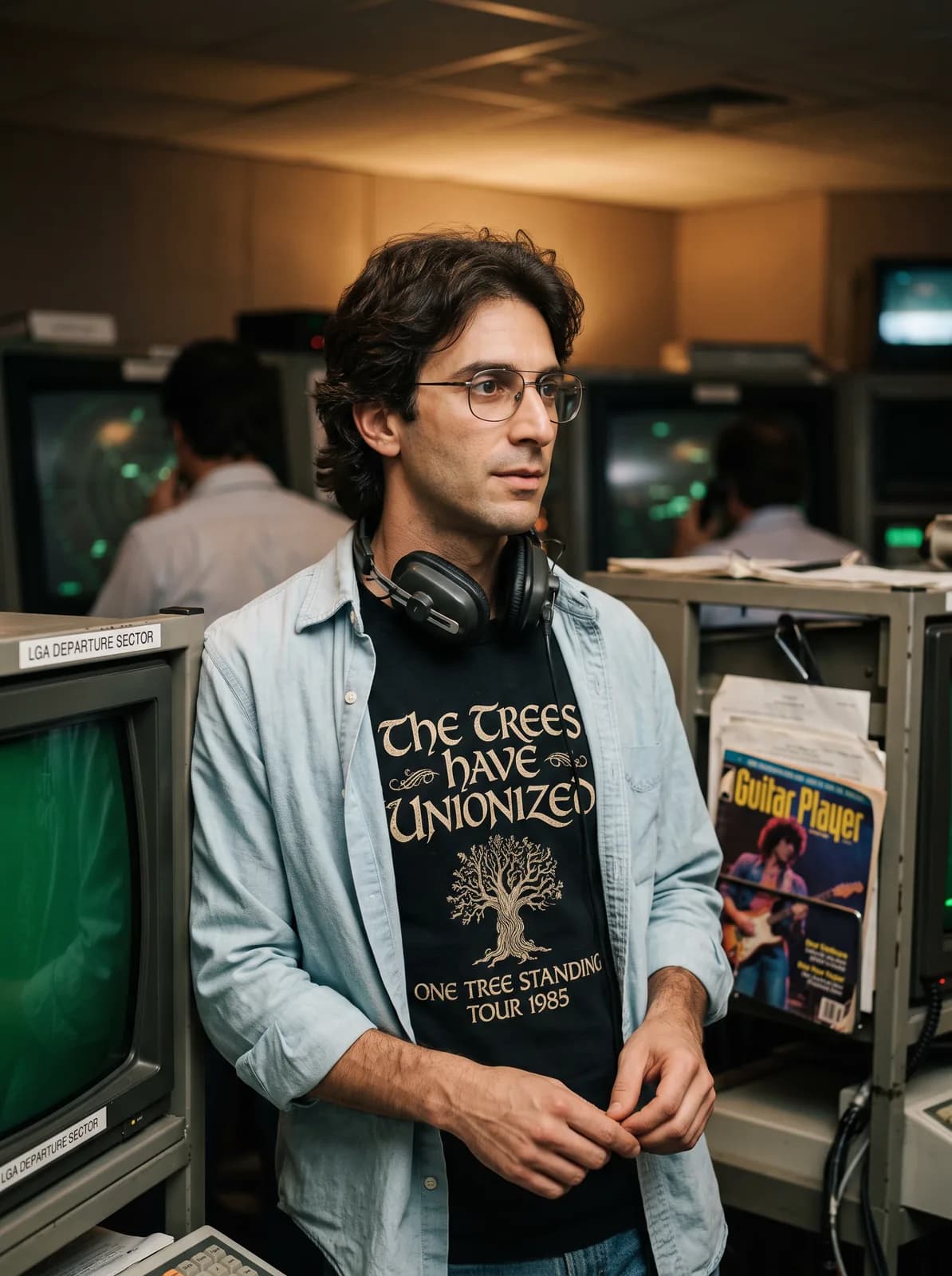
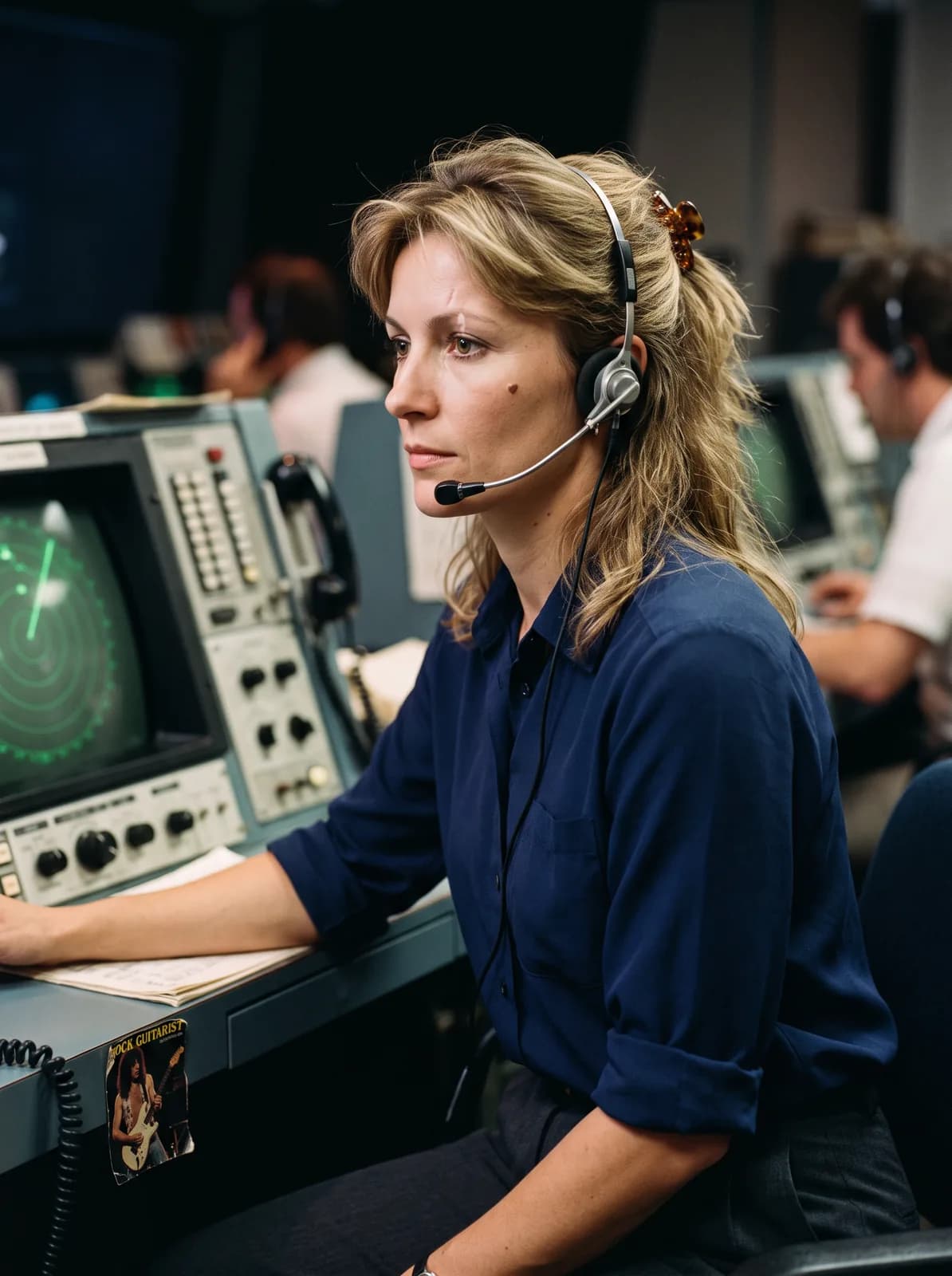
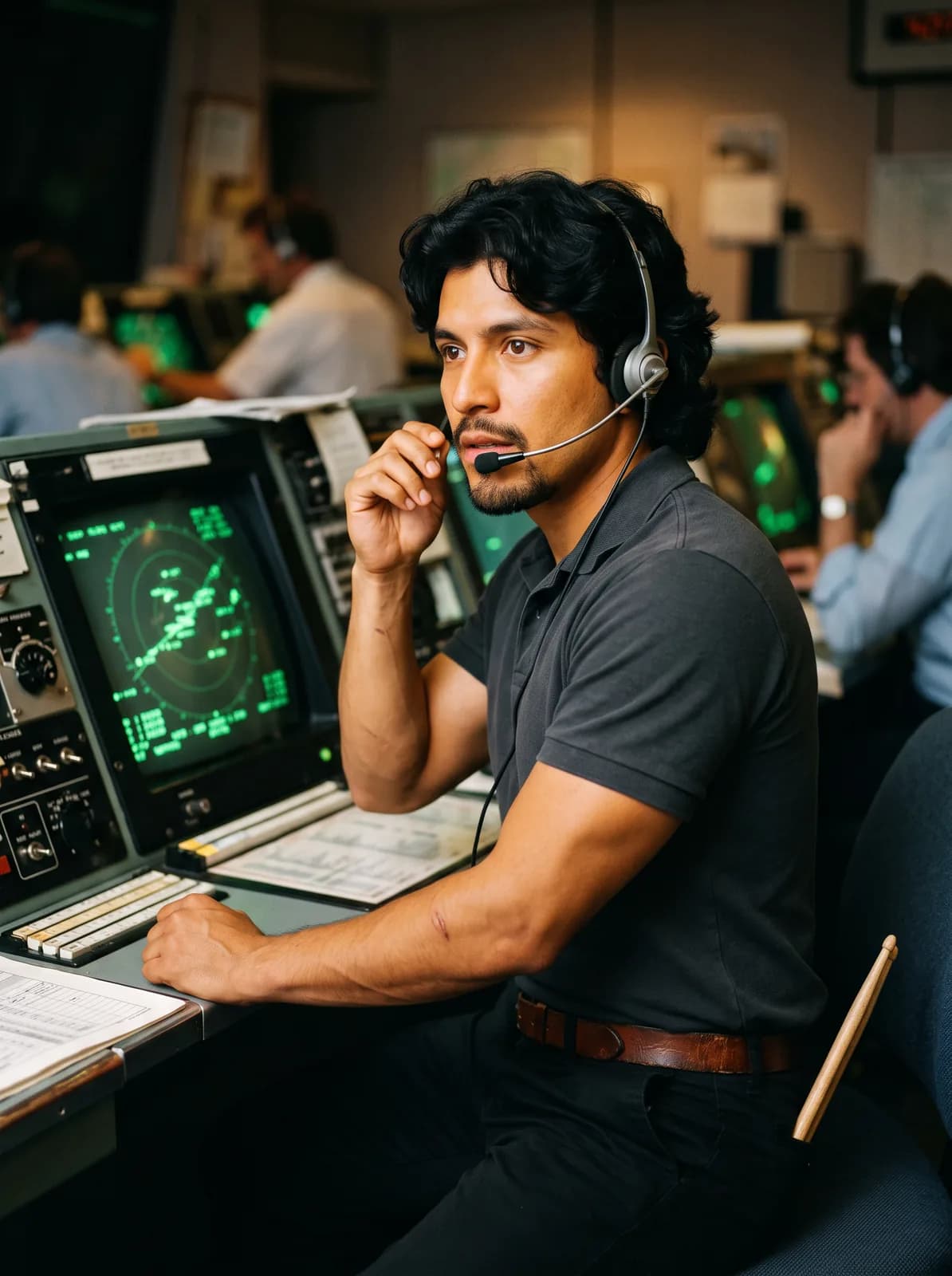
Frank knew Tommy Bilotta played bass because Bilotta had brought his bass to a supervisor's birthday party at the Marine Air Terminal bar the previous summer and, three beers in, played every Rush song anyone requested. Sal knew Rita Zarnowski could play because he had heard her nail a Randy Rhoads solo on the break-room jukebox during her lunch one afternoon in October. Miguel Fuentes was in his first month at N90 (transferred in from the OKC academy in November 1982) and had been asking everyone in the facility if they knew a drummer for a project he was starting; when Frank asked him if he was any good, Miggy said, "I'll play what you need."
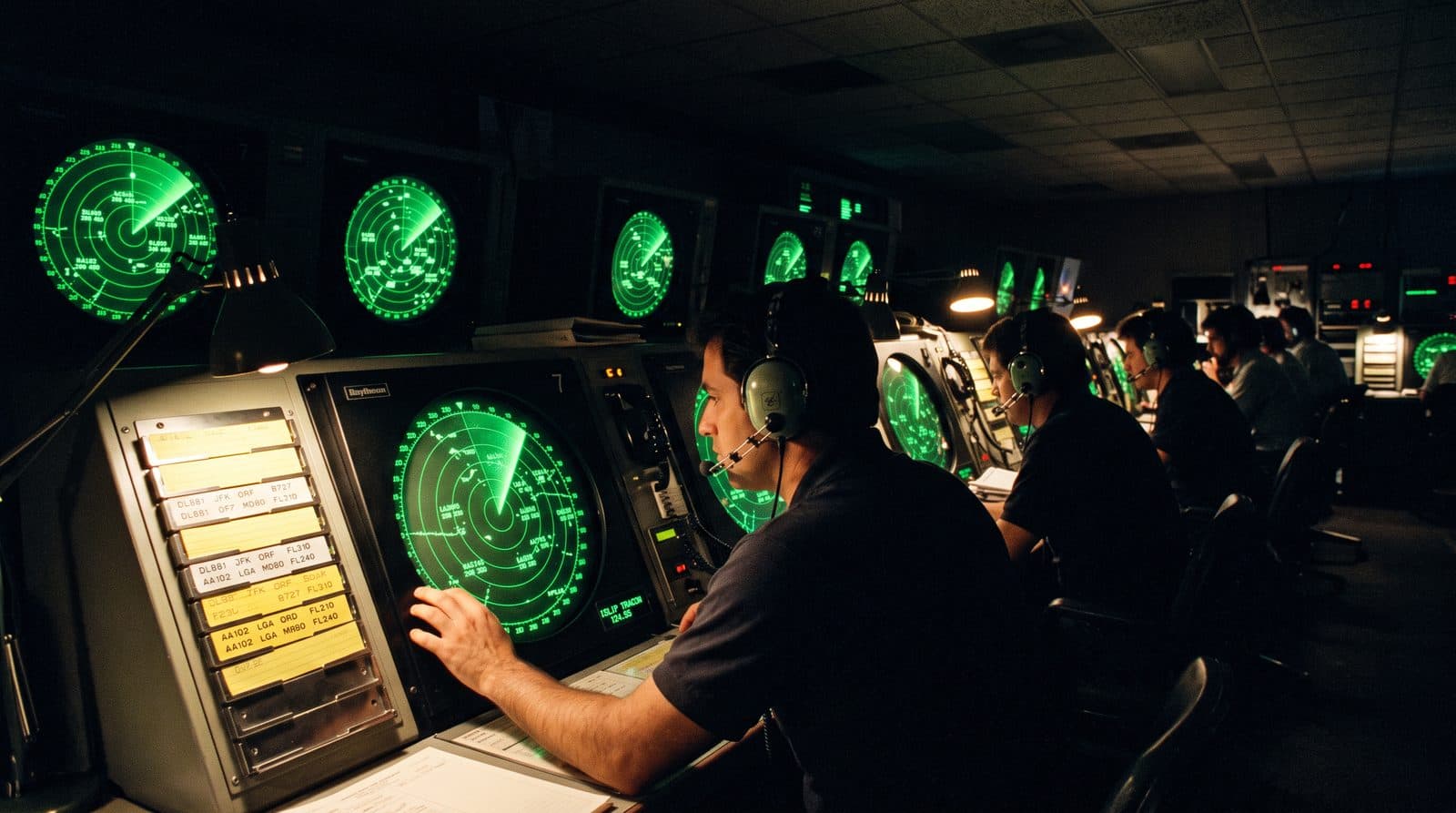
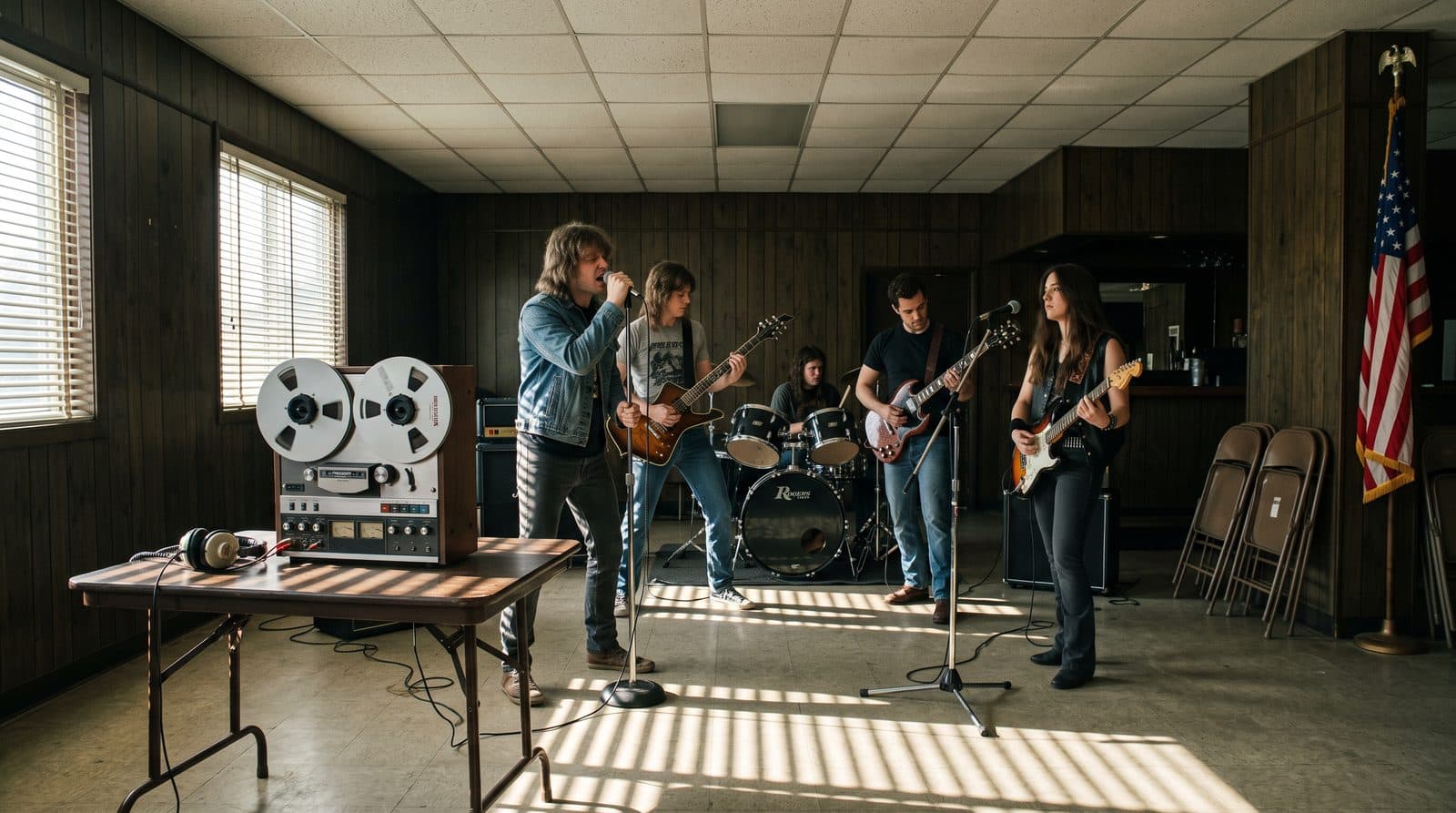
They rehearsed Sundays at the Westbury American Legion hall, which was empty on Sunday afternoons and rented for twenty-five dollars a session. Nobody at the Legion knew what NY TRACON was. Nobody at N90 knew the band existed for the first four months. They liked it that way.
CHAPTER 2
The Name at the Bar
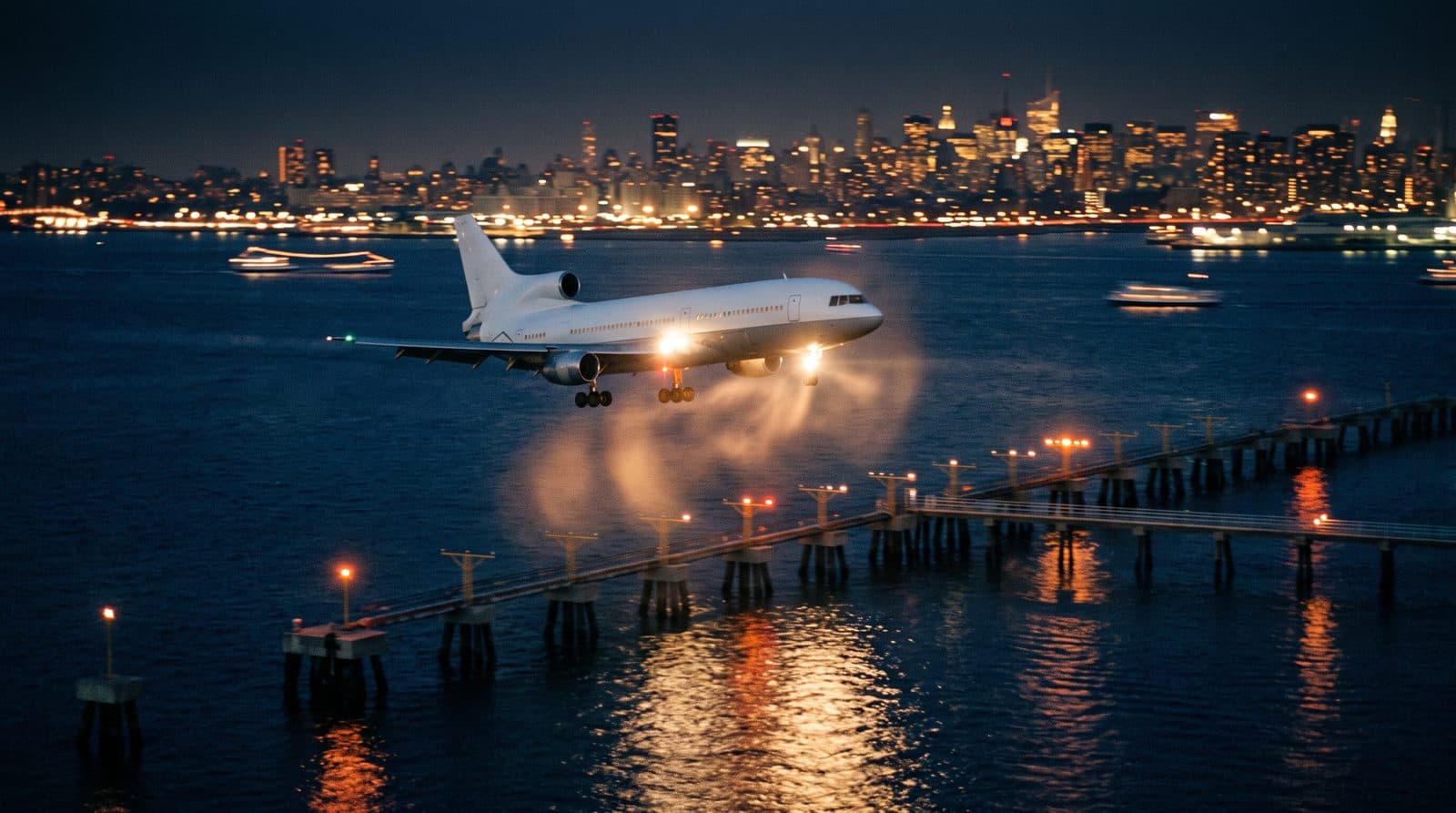
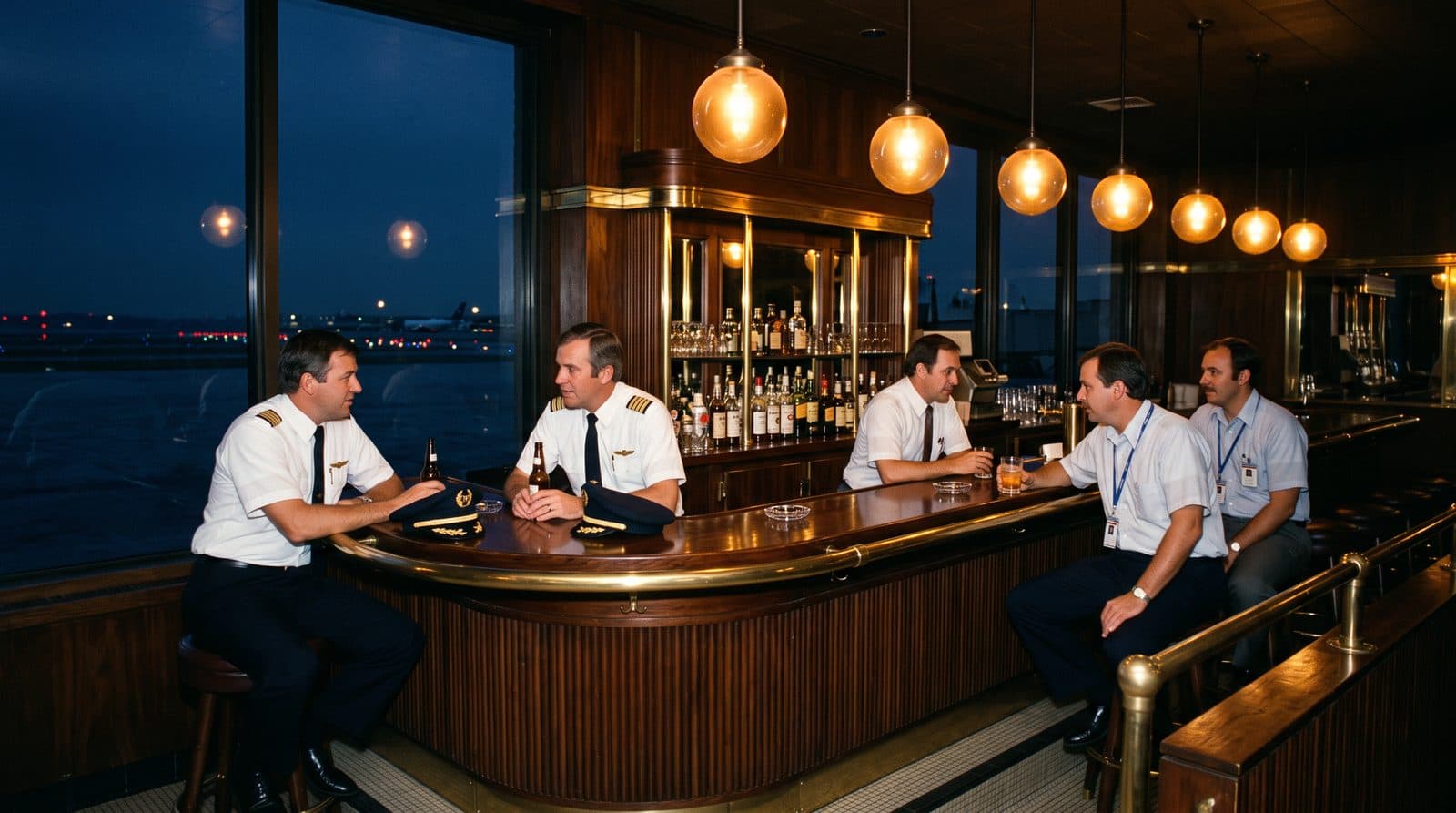
The band's name arrived one Friday night at the Marine Air Terminal bar in late 1982, two months before the first rehearsal. Sal Mucci was there after a long shift on LGA Departure. A corporate charter pilot — Sal never got his name and never confirmed it was Danny Kessel, though the timing lines up — asked Sal, three beers in, if the "punishment vector" thing was real. Sal, also three beers in, said: "It's a legend. But bring your ATP into LGA one Tuesday, and we'll find out." Everyone at the bar laughed. Frank DeLuca, who had walked in with Miggy Fuentes and was standing behind Sal, said, quietly: "That's the band name."
Their debut, Every Heading Has a Reason (1984, Scope Records), was recorded across four Sunday afternoons at the Westbury American Legion. Every song was from the controller's chair. The pressing of a thousand copies moved slowly at first — controllers bought half of them, and the rest sold at Long Island metal clubs where the band opened for touring NWOBHM acts. WBAB played the title track occasionally on their Tuesday-night specialty show.
The band never confirmed whether punishment vectoring was real. The band never denied. What the band did was write, in Frank DeLuca's own reported words, "the songs the retired guys already sang at the bar without a band behind them."
CHAPTER 3
The Retirement Party
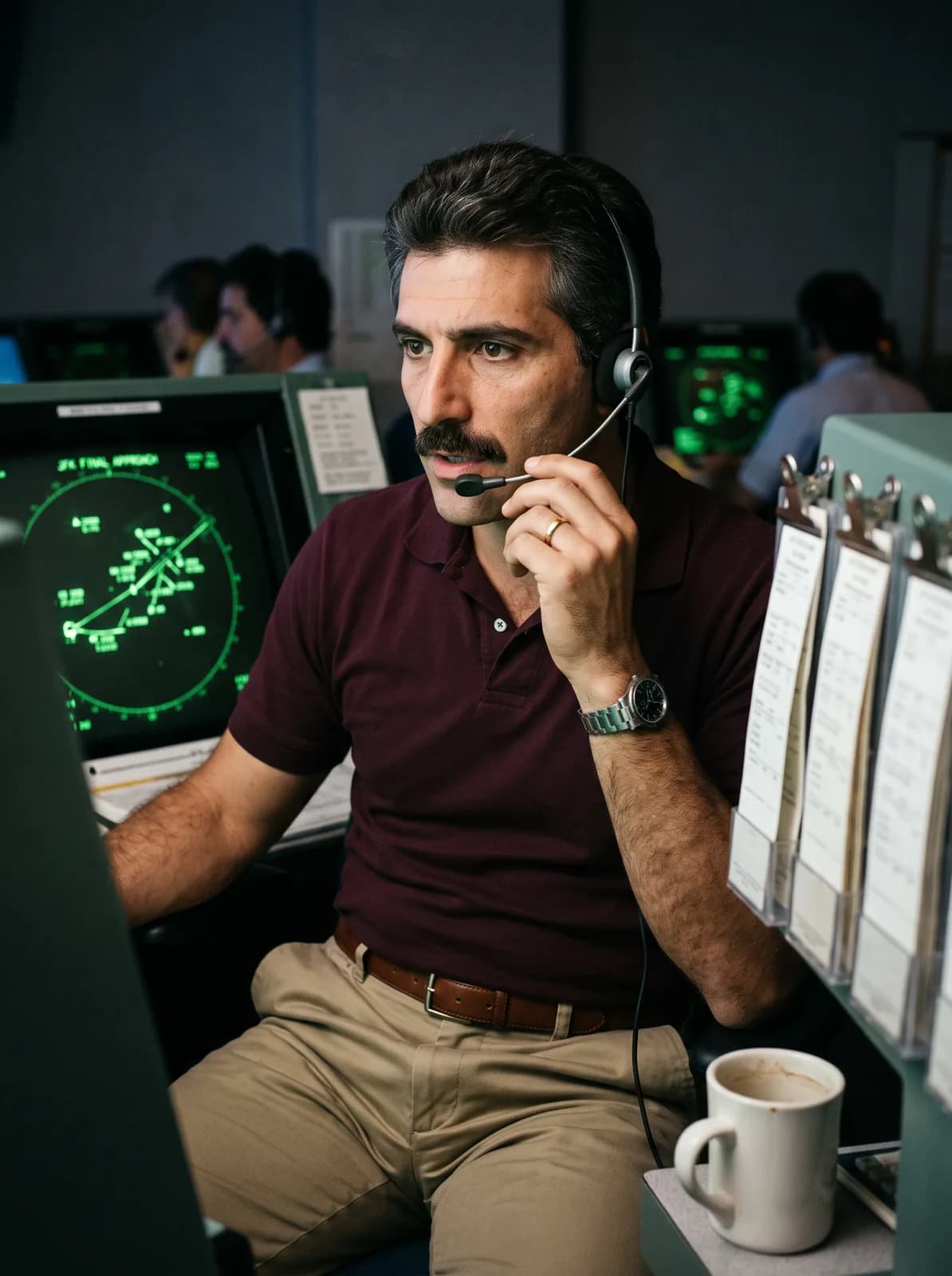
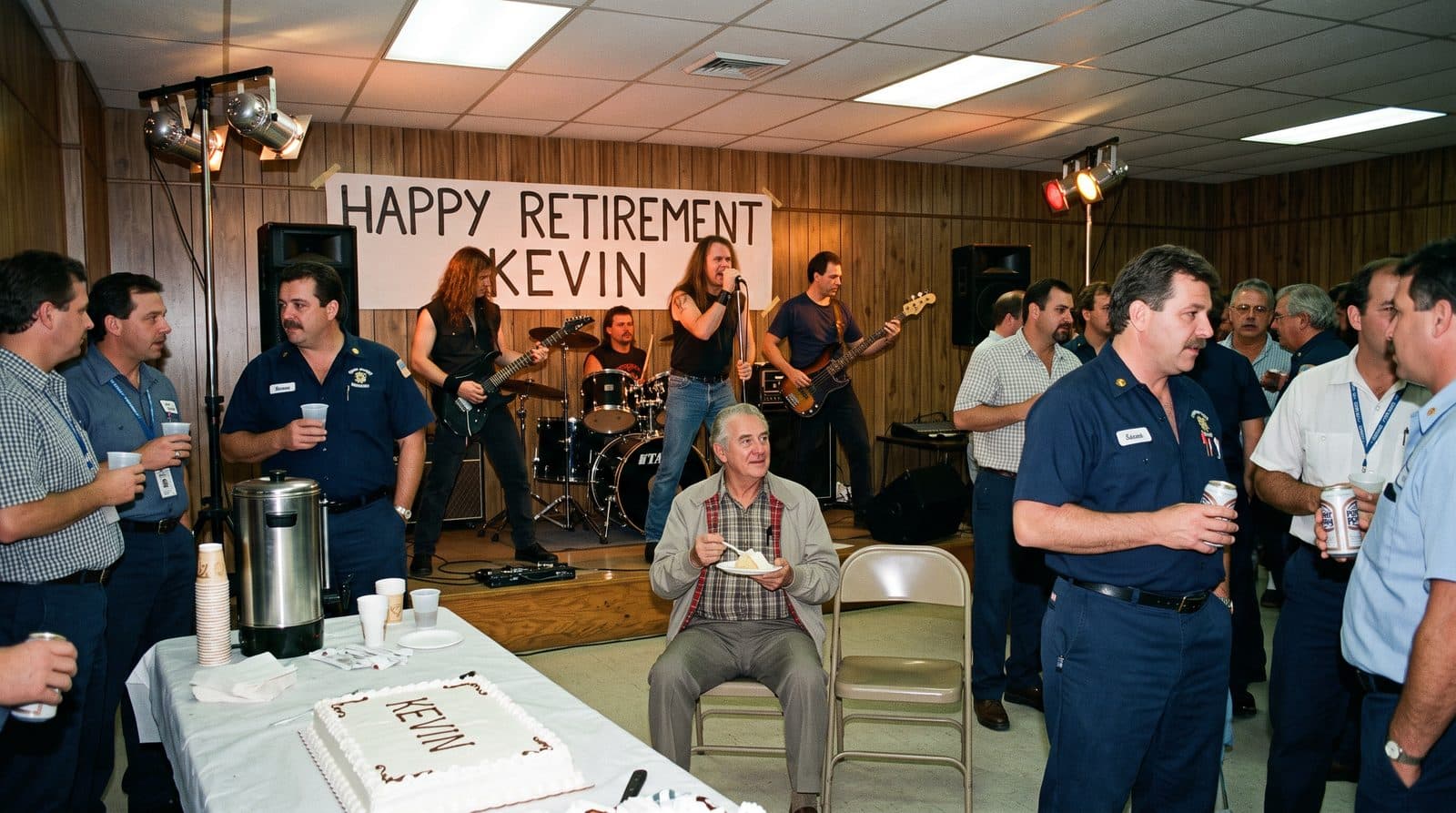
The band played its last show at the FAA Long Island Local 1974 union hall on November 22, 1991, at the retirement party for Kevin Kellner — the JFK Final Approach controller whose retirement had inspired the seven-and-a-half-minute epic on their second record. Kellner was there. He was sixty-one — mandatory-retired from N90 in 1986 at age fifty-six, then three years of contract-tower shifts at Republic Airport (KFRG) on Long Island before quitting the scope for good in 1989. He listened to "The Retirement of Mr. Kellner" from a folding chair in the back of the room, holding a paper plate with a slice of sheet cake on it, and did not applaud when the song ended. Frank DeLuca said afterward that Kellner had told him, in the parking lot, "You didn't get it wrong."
The band did not schedule another show. Their third and final record, Cleared to Retire, had been released three months earlier and was widely understood to be their farewell. Big Tommy Bilotta retired from N90 in 1998; the others stayed on the scope until the 2000s and 2010s. When people ask why the band ended, Frank DeLuca says the same thing: "The songs were where we left them. We didn't need to keep playing them."
Kellner passed in 2001. His obituary in Newsday said that in retirement he had become "a great enthusiast of a Long Island heavy-metal band called Punishment Vectors, whose second record contained a song about him."